Building a Living Brand: From Perception to Interaction
- 23 June 2026
- Manhattan Associates
- Read time: 4 minutes
As Manhattan unveiled its new brand at Momentum 2026, it was clear that the real transformation wasn’t just visual, it was experiential. One message came through clearly: strong brands are not built from visual identity alone. They are built from clarity, consistency and the ability to deliver on what you promise.
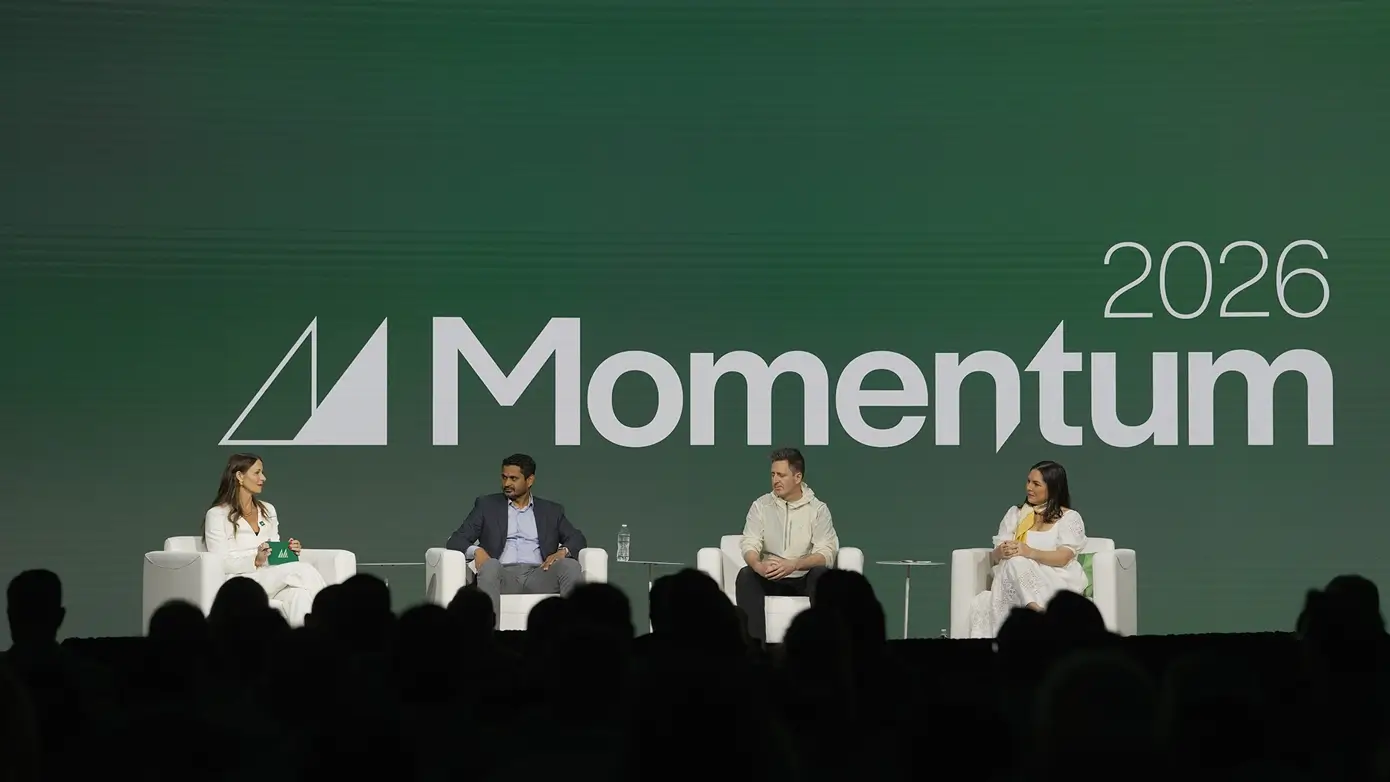
In a LinkedIn Live discussion from the show floor, Liz Sophia, Vice President of Field Marketing at Manhattan Associates, sat down with Manhattan’s Chief Marketing Officer, Katie Foote and Senior Vice President and Head of Services, Supply Chain at Fanatics, Ben Pivar, to talk about what it really takes to launch, evolve and sustain a modern brand.
This conversation unpacked what it takes to build a distinct brand personality in an increasingly noisy world. It explored how clarity of purpose, consistent storytelling, and product truth shape how a brand is perceived - and how that perception shows up in every interaction, from sales conversations and support calls to user interfaces and post‑purchase moments. It is becoming increasingly important to translate brand values into day‑to‑day behaviors, governance, and experiences that feel modern, human, and unmistakably their own.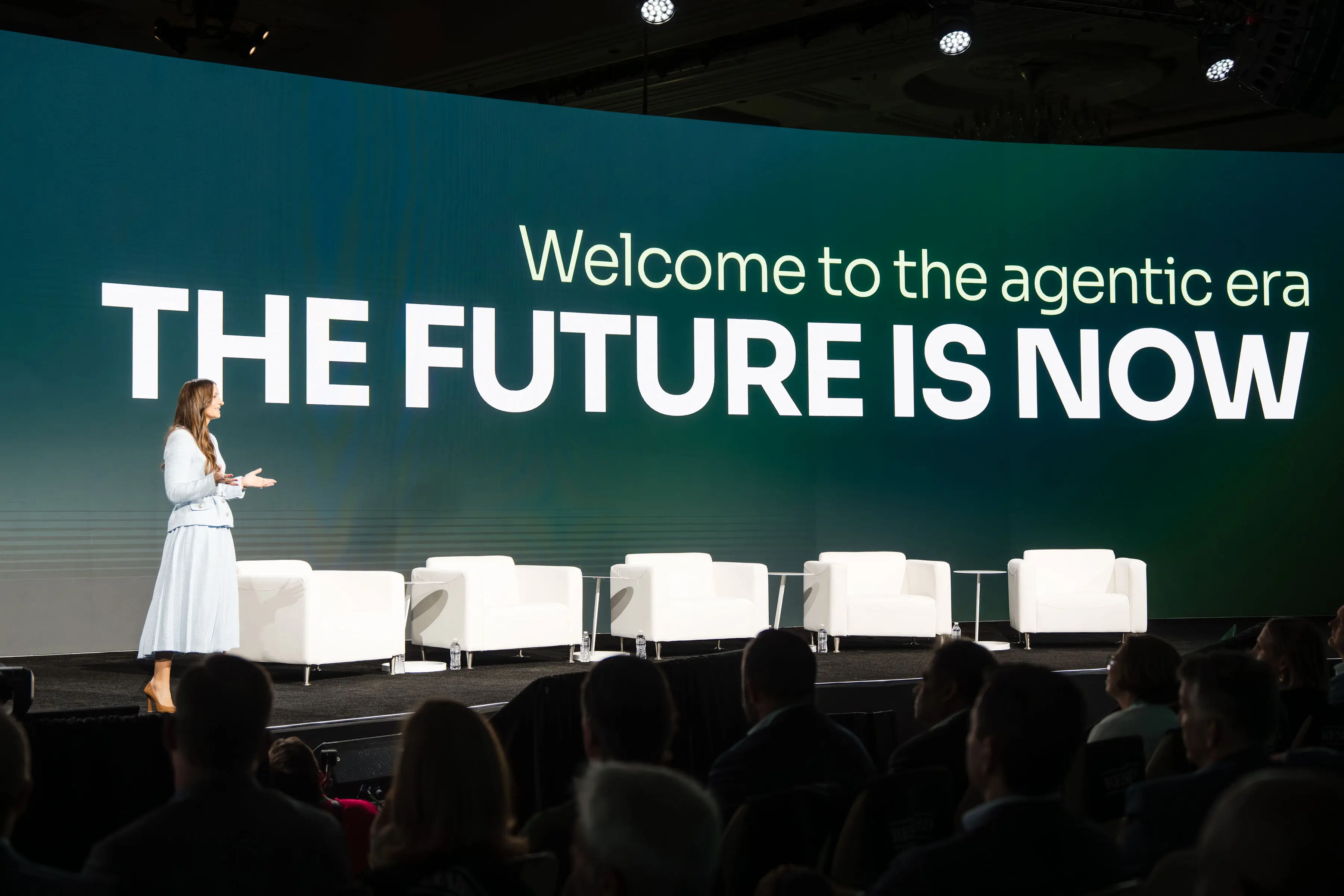
From authenticity and internal enablement to customer experience and AI, the discussion made one thing clear: the strongest brands in the next era will be the ones that stay human while moving fast.
A Brand is More than Colors and Fonts
For Foote, the brand revamp started with a simple but important realization: Manhattan’s story in market was not fully reflecting who the company had become.
Rather than beginning with design choices, the team began with deeper questions. Who are we at our core? How do we want customers to feel? What truly defines the Manhattan personality?
This approach grounded the brand refresh in authenticity. As Foote explained during the discussion, it was important to understand the company’s persona, values and rally cry before ever putting pen to paper on visual elements. In her view, that order matters. Visual expression can evolve, but it only resonates when it reflects something real.
That idea mirrors a broader truth for brand leaders today. In a market saturated with noise, polish alone is not enough. Authenticity is what gives a brand staying power.
Differentiation Starts with Empathy
One of the strongest themes from the conversation was that differentiation is not always about being louder or more disruptive than everyone else. Often, it comes from being more relevant.
Foote pointed to the importance of understanding buyers as human beings first. Whether the audience is B2B or B2C, the job is the same: understand their challenges, recognize the pressure they are under and tell a story that demonstrates real empathy.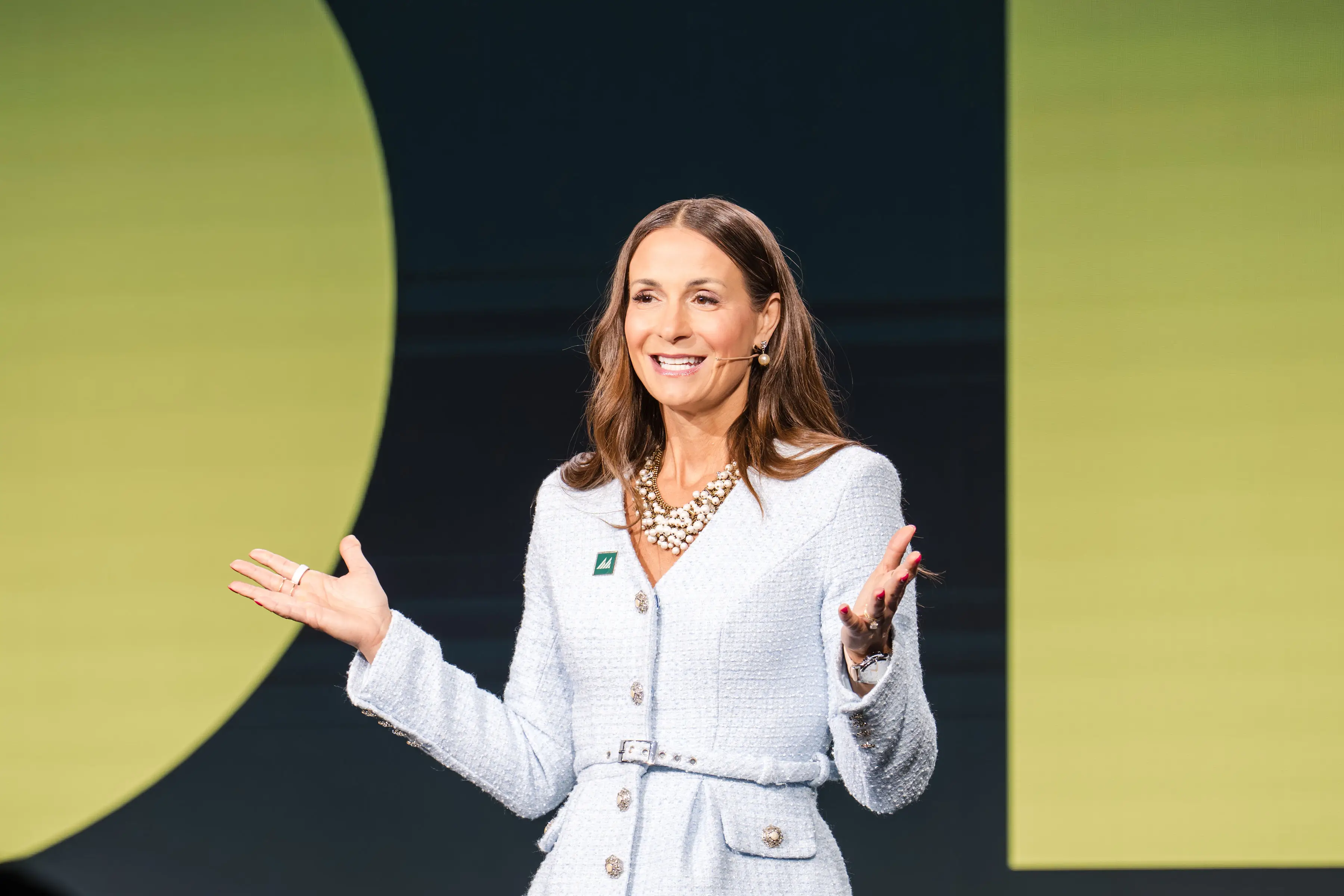
That perspective is especially relevant now. Buyers today have more options, more information and less patience than ever before. They are not just comparing products. They are evaluating whether a brand understands their world and can make it easier.
The brands that stand out are often the ones that communicate that understanding most clearly.
Brand Promise Only Matters if the Experience Matches
Pivar brought an important operational lens to the discussion. At Fanatics, the goal is to be a beloved brand, and that ambition shows up in every customer touchpoint.
That means the brand is not confined to a campaign or a tagline. It is expressed through the shopping experience, the return process, checkout, fulfillment and every interaction in between. As he noted, the little things add up to the big things. That is how a brand earns trust.
Foote reinforced the same point from Manhattan’s perspective. Brand, she said, is ultimately the sum of the experiences people have with you. Some of that can be measured, but much of it lives in the stories customers tell and the impressions they carry forward.
This is where brand and execution become inseparable. A compelling story may capture attention, but only a connected experience can sustain belief.
Internal Enablement is Part of the Brand Strategy
Another standout takeaway was the role employees play in making a brand real.
Foote described the importance of bringing the company along on the journey, not simply unveiling a new identity at the end of the process. She shared that she made the rounds internally, invited feedback from executive peers and worked to make people feel part of the transformation.
That mindset turns employees into brand champions instead of passive observers. It also creates the repetition and consistency required for a brand to truly take hold across marketing, sales, product, support and customer success.
In many ways, internal alignment is one of the most underappreciated parts of a successful brand launch. If people inside the business do not believe the story or know how to carry it forward, the market will feel that disconnect quickly.
AI Raises the Stakes for Relevance
The conversation also explored what brand leadership looks like as AI reshapes how buyers discover, evaluate and engage.
Foote noted that buyers are increasingly beginning their searches in LLMs and AI-powered tools, which gives brands less control over how they are found. In that environment, helpful and relevant content matters even more. The winners will not be the brands that flood the market with generic AI-generated copy. They will be the ones that create genuinely useful content and experiences.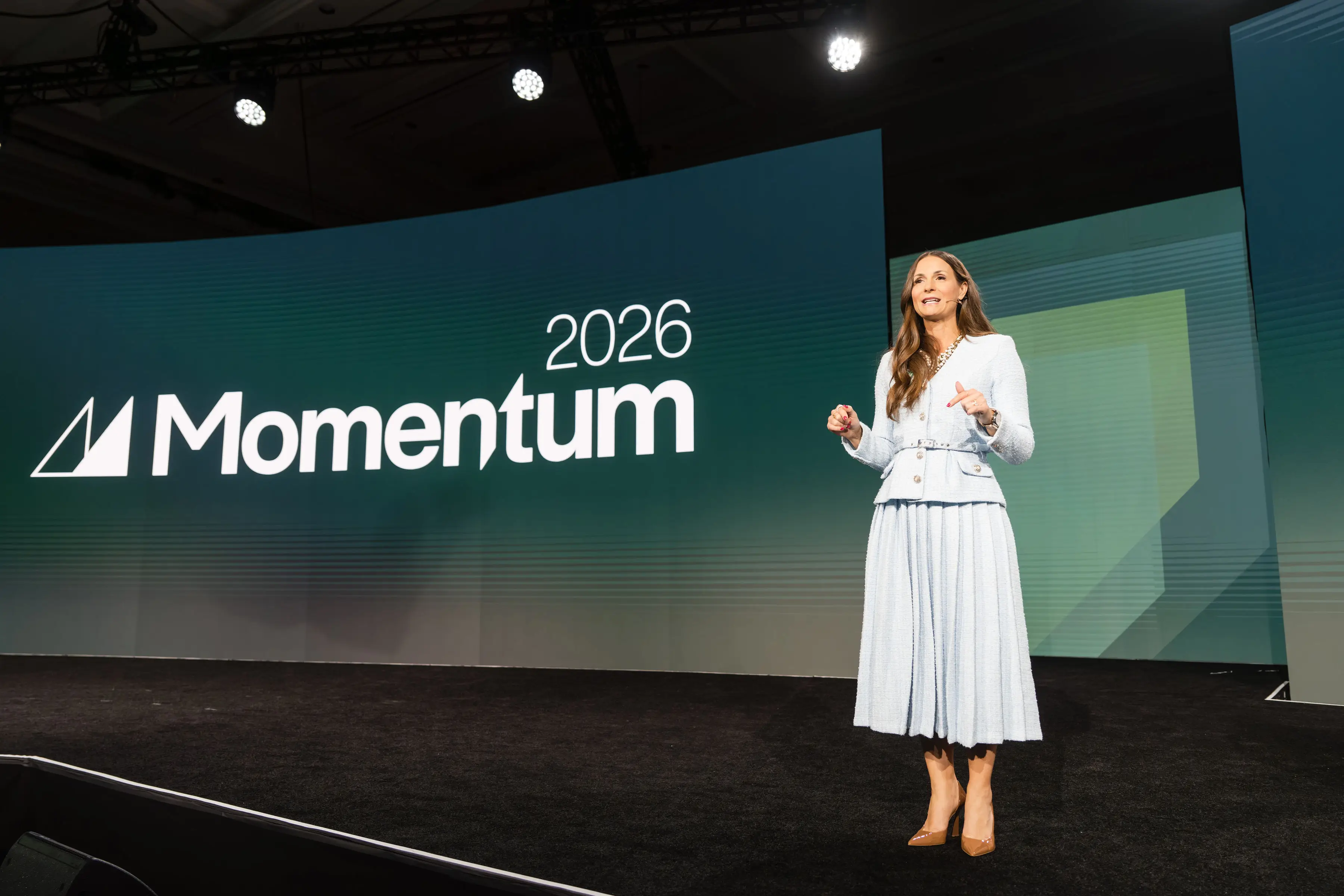
Pivar made a related point from the customer experience side. AI will increasingly shape how brands identify needs, anticipate preferences and respond to problems in real time. But the goal is not automation for its own sake. The goal is to use technology to make experiences better, faster and more personal.
That balance is critical. Technology may enable the experience, but humanity is still what makes it memorable.
The Best Brand Strategies Stay Flexible
Both Foote and Pivar closed with advice that feels especially timely for marketing leaders.
Pivar emphasized the need for flexibility. Strategies can work for a while, but customer expectations, platforms and behaviors are shifting too quickly for any playbook to stay static forever.
Foote echoed that thought through the idea of a feedback loop. The best brand work is not created in an echo chamber. It is shaped by input from employees, customers, partners and prospects, then refined over time.
That may be the clearest definition of a living brand: one that is grounded in truth, expressed consistently and strong enough to evolve.
In conclusion, brands today are getting more exposed, more experiential and more consequential. And that is exactly why getting it right matters so much.
Watch the complete discussion here:

Related Assets
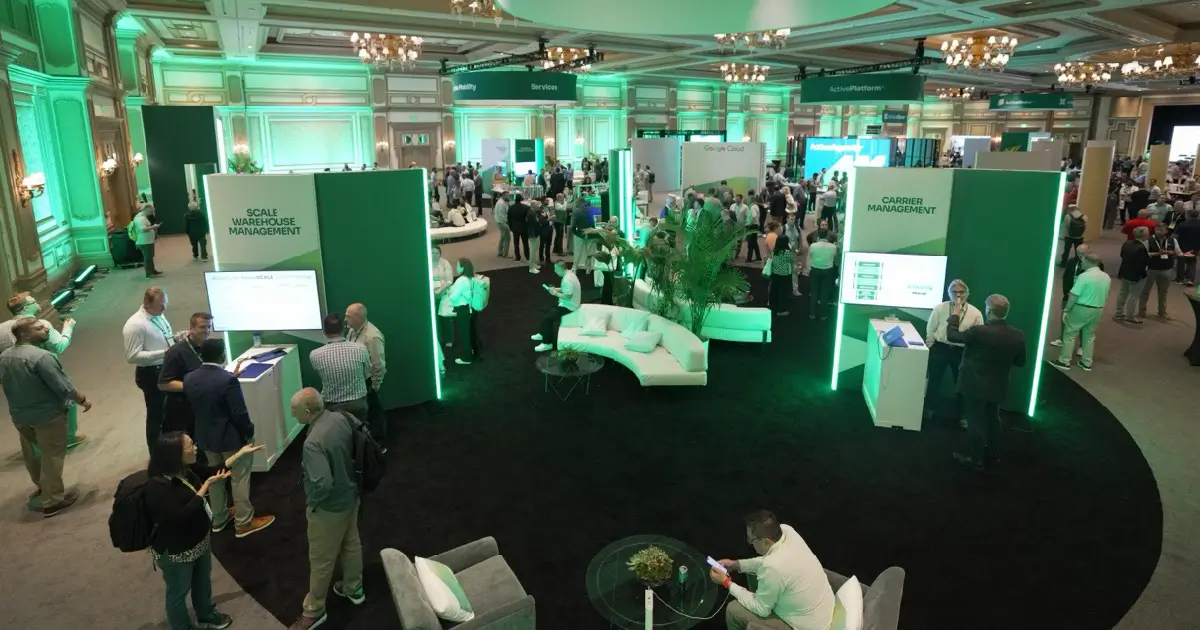
Momentum 2026: Welcome to the Agentic Era. The Future Is Now.
Discover how AI agents, unified supply chain platforms, and real-time data are helping businesses accelerate operations at Momentum 2026 with Manhattan Associates.
Momentum 2026: Built for the Agentic and Unified Commerce Era
Explore Momentum 2026 highlights, where retailers and supply chain leaders showcased unified commerce, AI innovation, and real-world results in action.

The Ecosystem Isn't a Buzzword. It's Where the Next Wave of Value Lives.
Discover how Manhattan Marketplace enables AI-native supply chain innovation with integrated agents, faster deployment, and a scalable ecosystem.