From Innovation to Execution: What Retail Leaders Can Learn from RTS Stockholm 2026
- Keith Dipple, EMEA Unified Commerce Sales Director

Key Takeaways
-
AI in retail has moved beyond experimentation, with leaders now focused on practical use cases that improve efficiency, support employees, and deliver measurable business value.
-
Profitability is back at the centre of retail strategy, with technology investments increasingly judged on their ability to reduce costs, strengthen loyalty, and drive sustainable growth.
-
The retailers pulling ahead are those that execute well, combining unified commerce, resilient operations, and evolving store roles to turn innovation into real business results.
Retail Technology Stockholm (RTS Stockholm) brought together retailers, technology providers, and industry leaders from across the Nordics and Europe. And while AI undoubtedly dominated many conversations, the most significant takeaway wasn't the technology itself, rather, it was the shift in mindset surrounding its adoption.
The retail industry is entering a new phase. Rather than questions about ‘should we invest in AI, unified commerce and automation?’, the conversation is now, ‘how can we deliver measurable business outcomes, improve profitability, and strengthen resilience, today?’
Against a backdrop of increasingly complex market challenges for retail leaders, several themes stood out. Below are the top five takeaways from the event.
AI Has Moved Beyond the Pilot Phase
Over the past few years, retail conferences have been filled with discussions about AI's potential. At RTS Stockholm, the conversation had notably shifted from theory to practice.
Retailers are now focused on practical applications that deliver tangible value: from customer personalisation and demand forecasting to workforce productivity and operational decision-making, AI is being embedded into day-to-day retail processes right now.
Particularly striking was the emphasis on execution as retail leaders were seeking to look beyond proofs of concept and asking tougher questions such as: how quickly can AI generate value? Where can it improve operational efficiency? How can it support frontline employees? What governance is required to scale adoption responsibly?
The retailers gaining momentum were those applying AI to solve specific business challenges rather than pursuing technology for its own sake.
Profitability Is Once Again the North Star
After years of prioritising growth and digital transformation, profitability has returned to the centre of strategic decision-making.
Many discussions at RTS reflected a broader industry reality: retailers are operating in an environment of continued economic uncertainty, rising costs, and increasingly selective consumer spending.
As a result, technology investments are being scrutinised through a different lens and retail leaders (increasingly) want clear evidence that investments will improve margins, reduce costs, increase productivity, or strengthen customer loyalty.
This focus on business outcomes is influencing everything from supply chain investments to customer experience initiatives. Technology is no longer viewed as a competitive differentiator in isolation; its value is being measured by its contribution to sustainable growth and operational agility and performance.
Redefining Retail’s Most Valuable Assets
Despite years of predictions about the decline of physical retail, RTS Stockholm reinforced a very different narrative: the store remains one of retailers' most valuable assets.
The role of the store has evolved though. Rather than serving purely as a transaction point, stores are increasingly becoming hubs for community engagement, fulfilment, service, and brand experience.
The goal is to create seamless experiences that blur the lines between digital and physical channels while improving operational efficiency, but there is also a realisation that achieving these goals requires not just a shift in mindset, but a unified technology backbone to underpin the move.
Spotlight on Resilience and Security
Retailers are facing growing challenges across cybersecurity, fraud prevention, supply chain disruption, and AI governance. As organisations become increasingly connected and data-driven, the need for robust operational safeguards continues to grow.
Leaders are recognising that resilience is no longer solely an IT concern. It is a business imperative and organisations that can maintain operational continuity and customer trust, while adapting quickly to disruption will be better positioned to compete in an unpredictable environment.
Sustainability Becomes Business Strategy
Sustainability continues to evolve from a compliance requirement into a strategic business priority in the Nordic market.
Conversations around circular retail models, responsible sourcing, waste reduction, and resale highlighted a growing recognition that sustainability can support both brand value and commercial performance if done correctly. That theme was also brought to life on stage at the event by Stuart Trevor, founder of AllSaints, whose approach to upcycling transforms end-of-line and used stock into alluring fashion statements and demonstrates how circularity can be both creative and commercially relevant.
Nordic retailers are increasingly looking for ways to align environmental objectives with profitability goals rather than treating them as competing priorities.
It should come as no surprise therefore, that the retailers making the greatest strides are those integrating sustainability into their operating models rather than positioning it as a separate initiative.
The Challenge Ahead
Perhaps the most important lesson from RTS Stockholm is that retail's competitive advantage is becoming less about access to technology and more about the ability to execute.
AI, automation and unified commerce are now broadly available across the market. What differentiates leading retailers is their ability to integrate these capabilities into a coherent strategy that delivers measurable outcomes.
For retail leaders, the challenge is clear: the retailers that will succeed in the future will not necessarily be those investing in the most technology; they will be the ones that execute most effectively, aligning innovation with business value to build teams capable of adapting to constant change.
If RTS Stockholm demonstrated anything, it is that the future of retail is no longer about innovation for innovation's sake. It is about turning innovation into measurable results.
Everything works better with Manhattan Solutions
Manhattan offers a complete breadth of solutions that when unified, provides total coverage for your supply chain commerce needs.

Order management
Unlock unprecedented precision, inventory visibility and promising with Order Management’s cloud-native architecture.
Point of sale
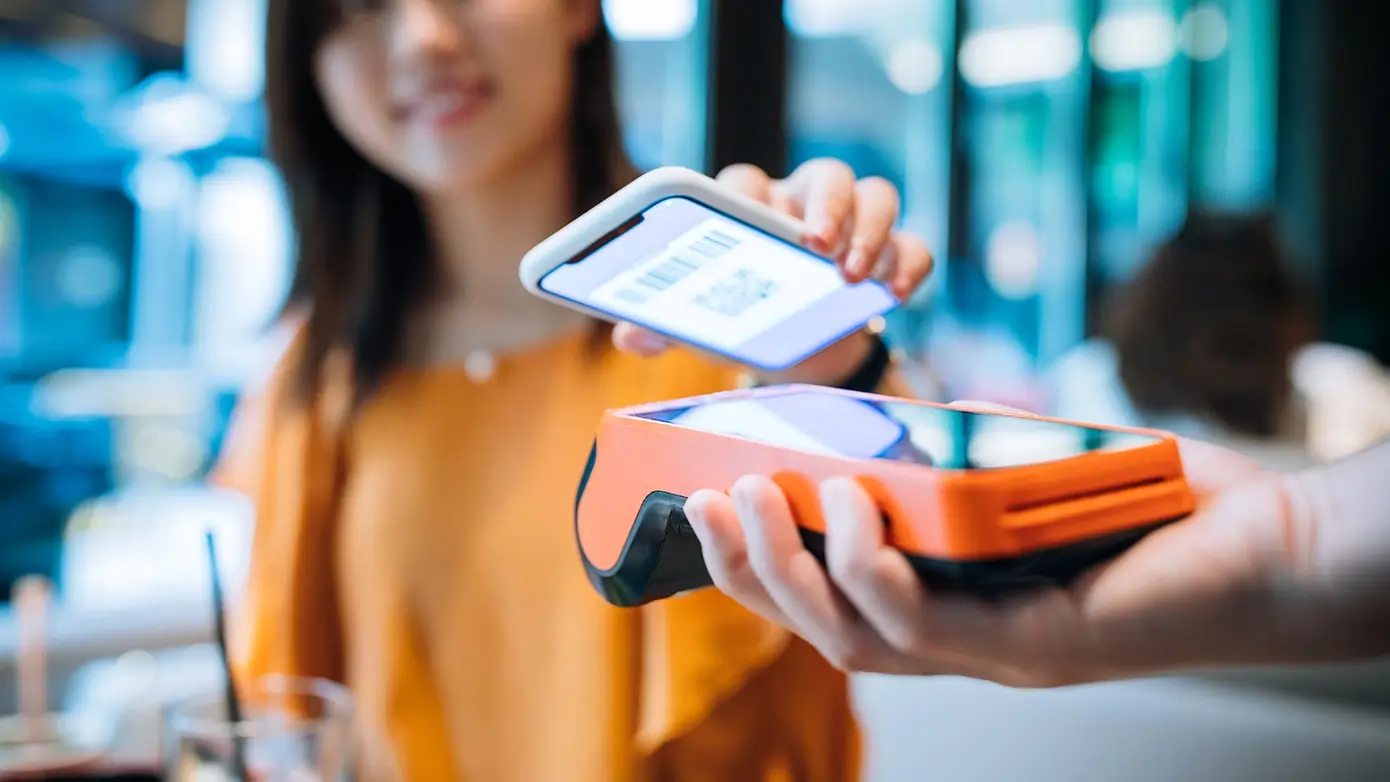
Empower store associates with Point of Sale, a POS built to turn the store into an experiential showroom, customer service centre and neighbourhood fulfilment point.
Store inventory & fulfilment
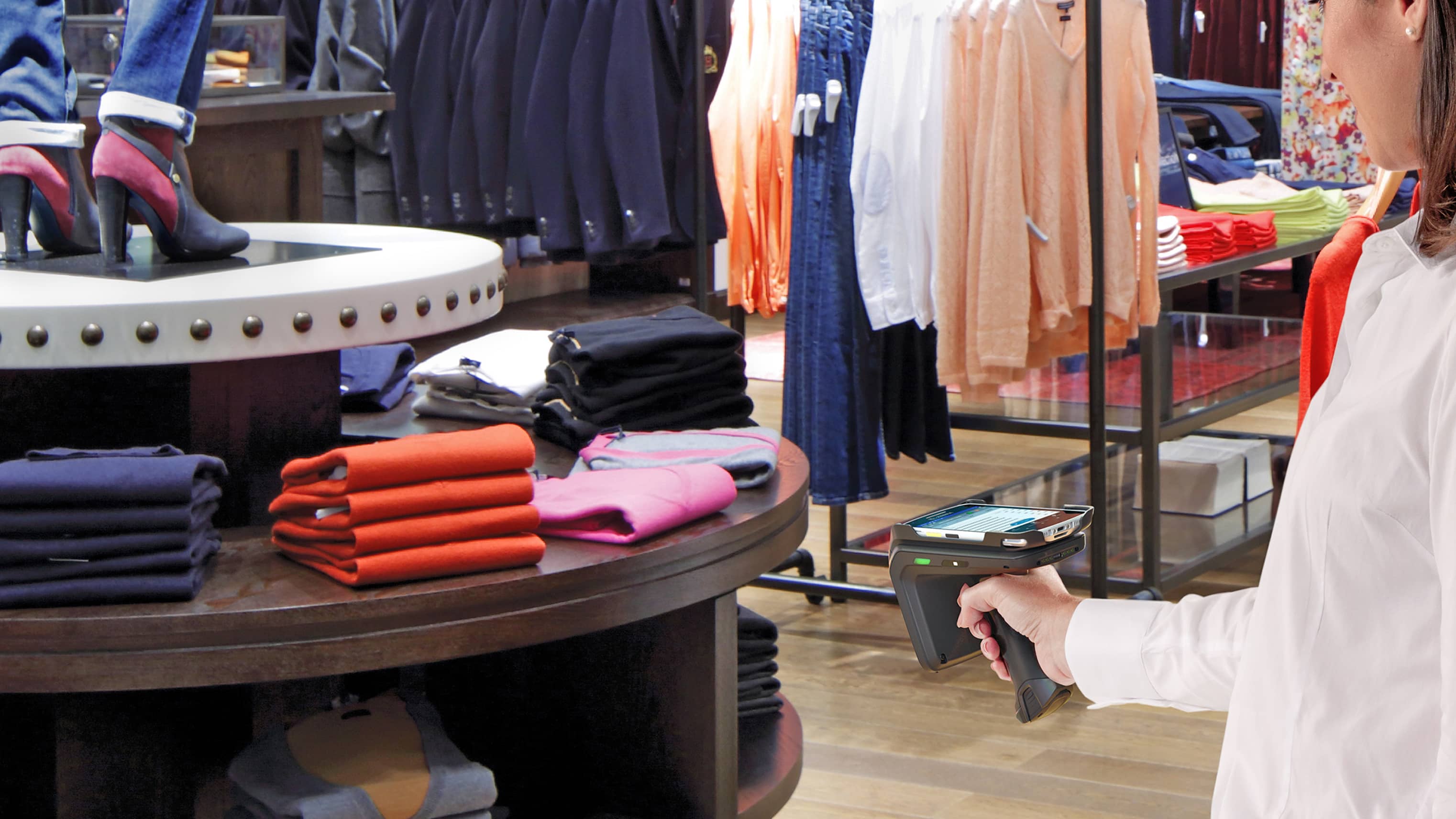
Support any combination of retail order fulfilment with precise inventory accuracy.