Vlog: Operational AI, supply chain efficiency and in-store innovation at RTS 2026
- 10 May 2026


Key Takeaways
- Legacy technology can only take retailers so far before real modernisation becomes essential.
- Stores still play a central role in omnichannel journeys and need better tools, visibility and colleague support.
- Speed matters in fulfilment, but reliability is what really builds customer trust and operational advantage.
Once again, Retail Technology Show (RTS) brought the good and the great of retail together this year – for two days focused on the latest innovation reshaping how retail is done.
The industry descended on London’s Excel on 22-23 April in what was a showcase of how the sector is shaping its future, with the support of technology, new thinking, and empowered people.
Manhattan Associates was back on the expo floor, highlighting its Manhattan Active POS and order management capabilities to the thousands of retailers rolling into the venue during the event.
I’ve put together a vlog to give a flavour of the event, which also shows me testing out the Manhattan technology in a mock-up store environment.

Vlog: Retail Technology Show 2026
Other key highlights
Retail continues to reinvent itself to keep up with ever-changing consumer demand and as it embraces new technology to help improve operations and make the lives of customers and staff better. During the course of RTS 2026, my top three messages for retailers from the sessions I attended are as, follows:
1. Only so far retailers can push legacy tech
At some point a retailer needs to realise that tech modernisation simply MUST happen. For Ann Summers, that happened last year – and it prompted a major data integration layer project aimed at simplifying future tech amalgamations and driving efficiency across the business.
“We’d taken to building on top of things, on top of things,” the retailer’s technology director Jeannette Copeland explained to delegates, describing a complex coming together of legacy systems build up throughout many years of doing business.
“If you keep building on top of it, it’s like building on sand. Eventually you need to do something about it.”
2. Importance of the store
Dean Kramer, chief services officer at Currys, said around 70% of the tech retailer’s sales involve touching a store in some way be it a direct buying mission or as part of a omnichannel journey.
Even though Currys now runs 300 stores across the UK compared to a figure of 1,500 at the height of its real estate presence – so much of the investment the retailer is making is still at store level. “As tech evolves we’ll deploy more tools [in our shops],” he remarked.
Key to it all is equipping colleagues with knowledge across all SKUs as well as providing a customer shopping history so that staff can provide more powerful interactions on the frontline. Kramer said Currys is looking at how AI can play a part in all of this.
3. Reliability as crucial as speed
In a world where retailers continue to see the need for speed and push the boundaries with quick commerce, it was refreshing to hear Ian Howe, supply chain & logistics director at Screwfix, say successful fulfilment is not always all about how fast you can get a product in a customer’s hands.
His company has developed the rapid delivery Sprint service which can get products to customers in under 60 minutes post order, and click & collect that ensures tradespeople can enter a store and pick up an order within one minute of ordering. However, delivering on promises is the key issue here, he stated.
“Customers always want things even faster but there’s something beyond speed,” he argued. “To a certain extent it doesn’t matter what the proposition is you’re offering, you just have to make sure it’s absolutely reliable for them.”
Read more about RTS 2026 from a Manhattan Associates perspective
Everything works better with Manhattan Solutions
Manhattan offers a complete breadth of solutions that when unified, provides total coverage for your supply chain commerce needs.

Order management
Unlock unprecedented precision, inventory visibility and promising with Order Management’s cloud-native architecture.
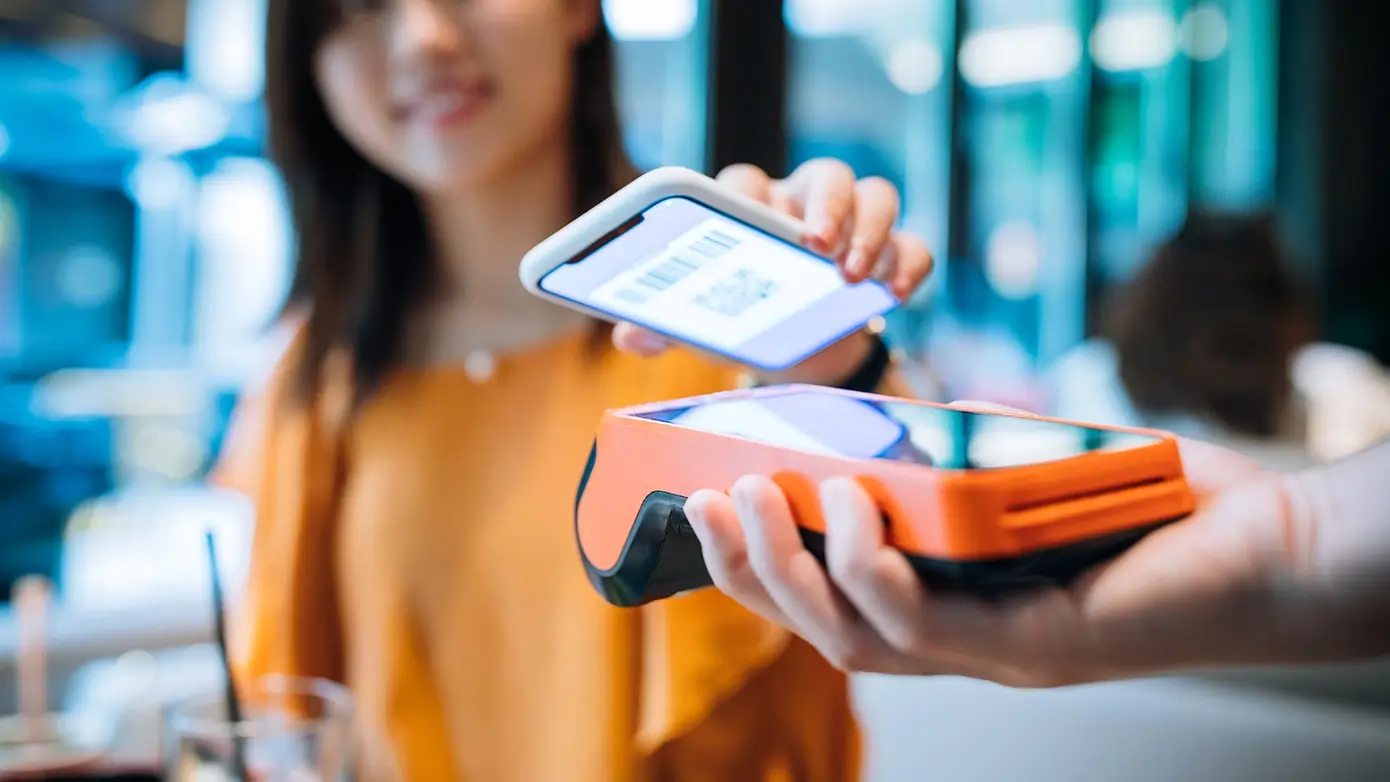
Point of sale
Empower store associates with Point of Sale, a POS built to turn the store into an experiential showroom, customer service centre and neighbourhood fulfilment point.
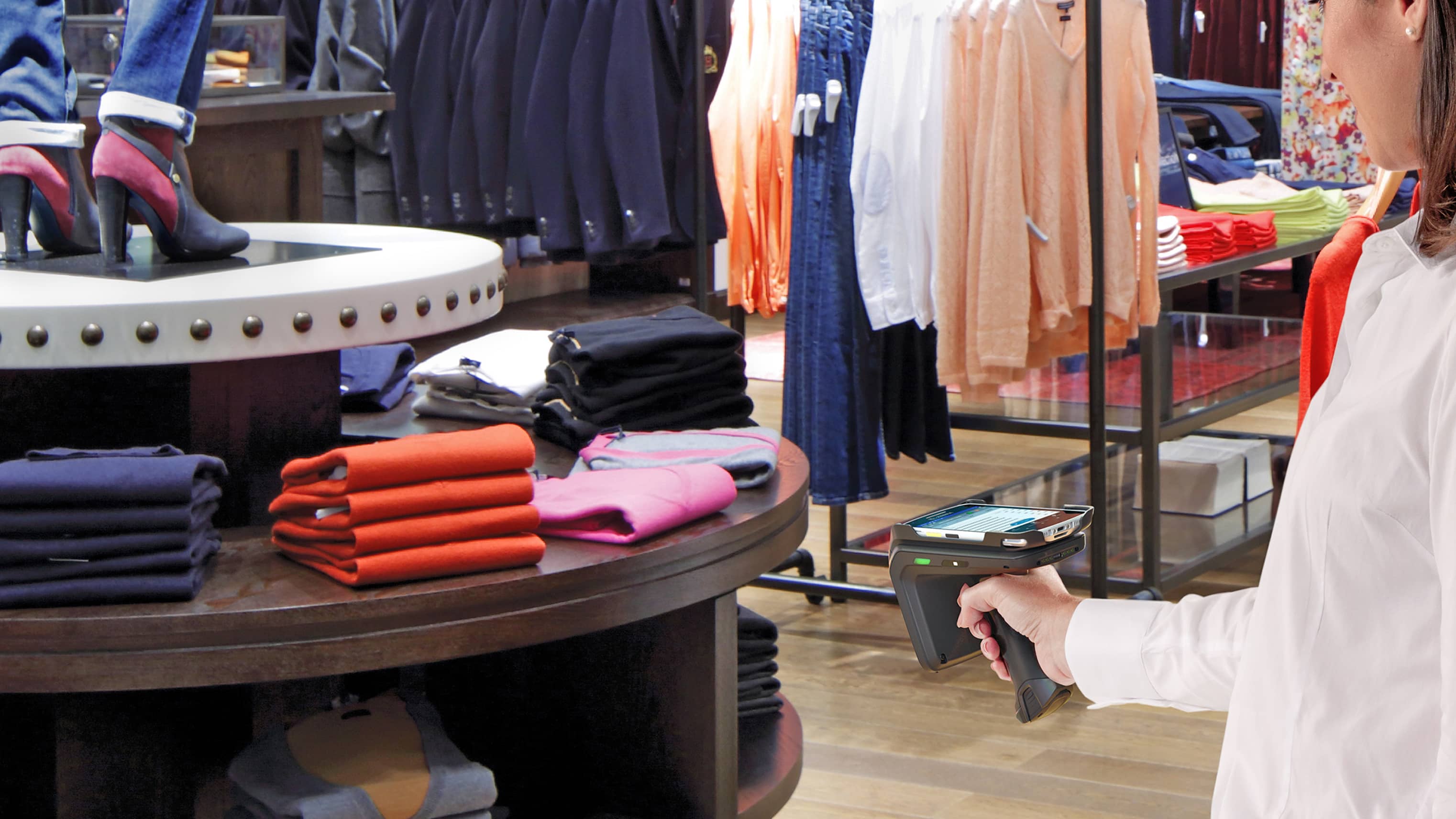
Store inventory & fulfilment
Support any combination of retail order fulfilment with precise inventory accuracy.