‘Complexity is manageable until it’s not’: Exchange 2026 in quotes
- 23 November 2026
- Ben Sillitoe

Key Takeaways
- Foot Locker VP supply chain for EMEA Tim Heijsman said the retailer’s warehouse management system (WMS) upgrade was a catalyst for wider business transformation
- To drive real value, think about how the customer will actually be using your products, says Bauhaus chief digital officer
- Agentic AI era calls for more retailer collaboration, argue retailers on stage during the annual conference.

Now the dust has settled on another Manhattan Exchange event, which this year took place in Milan, it’s a good time to reflect on some of the retailer conversations and what they mean for the wider industry.
With so many retailers taking to the stage over the two days, including representatives from Asda, Bauhaus, Co-op, Foot Locker, JD Sports, L’Oreal, and Nespresso, as well as others from the technology and supply chain commerce worlds, there was lots to take in.
I’ve picked out a quartet of important quotes from the sessions I think speak volumes about the position the retail industry finds itself in as another complex and challenging year comes to an end.
"Complexity is something that builds over time. And is manageable until it's not"
Tim Heijsman, vice president of supply chain EMEA for sports and trainer retailer Foot Locker, neatly summarised how retailers can keep things running and ensure the lights remain on by using quick workarounds with legacy technology, but warned things can quickly change – and the need to invest in new systems suddenly becomes all too clear and damaging to business success.
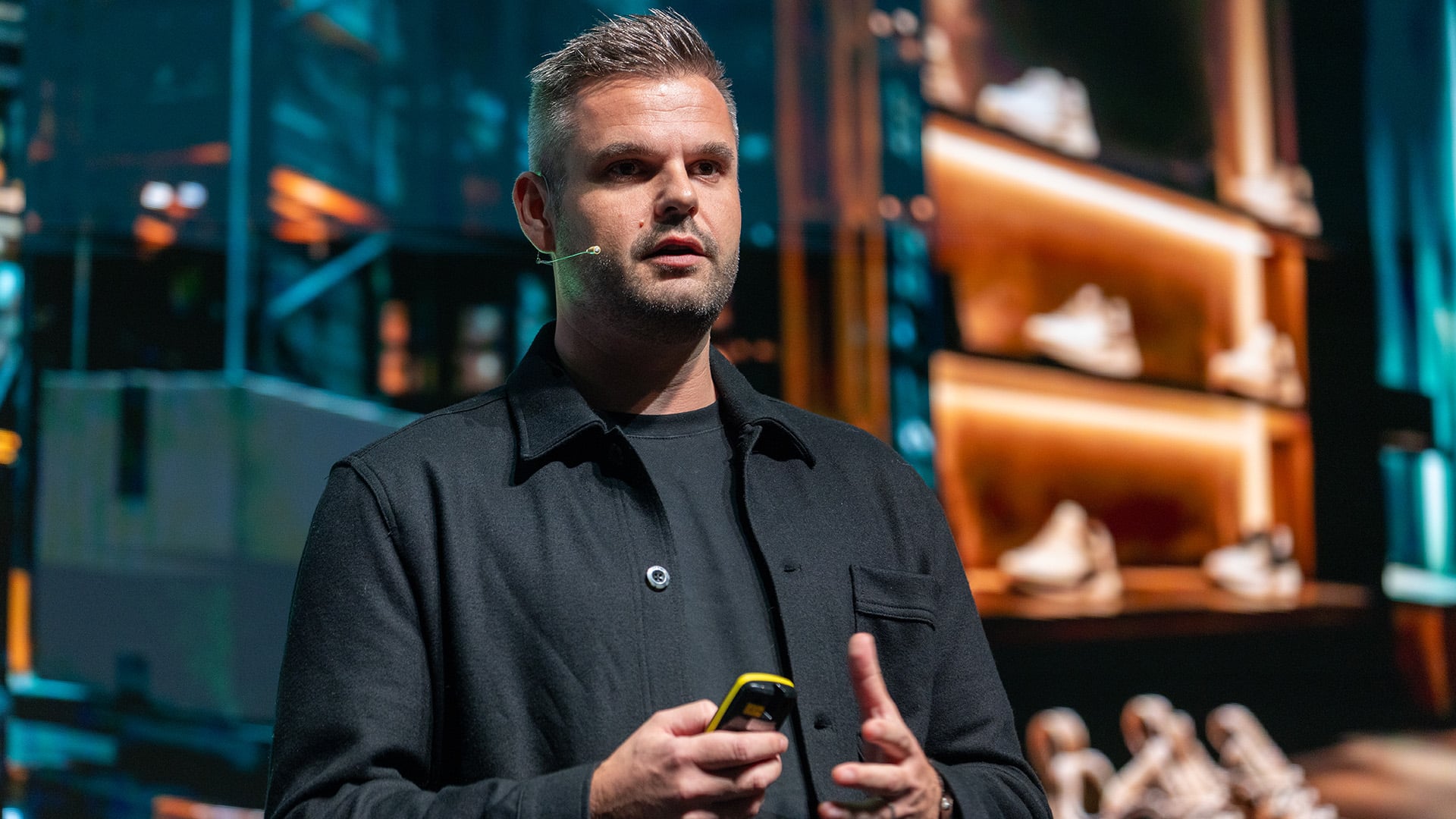
Until securing a WMS Manhattan deal last year, Foot Locker was using a 34-year-old warehouse to serve its EMEA operations and more than 700 stores, supported by an ageing system initially originally designed to serve approximately 500 stores.
The challenge extended beyond the age of the technology. Foot Locker had accumulated layers of customisation and operational exceptions over time, creating complexity that made it difficult to introduce changes or respond to evolving customer expectations. The business faced major customer fulfilment challenges, according to Heijsman, prompting a new modern partnership with Manhattan that is already driving business benefits.
“Our business is not about selling individual products. It's about selling successful projects”
Johannes Wechsler, chief digital officer at German DIY chain BAUHAUS, highlighted how retailers need to always think about the bigger picture, especially in speciality retail sectors like the one he operates in.
He noted a conventional online shop, built around product searches, filters and product information, may work well for customers who already know what they need. It is less effective when they require guidance through a complicated purchasing decision, for example that is related to a renovation or decoration project.
Wechsler explained BAUHAUS is addressing this by combining content creation with technology designed to guide customers towards appropriate solutions.
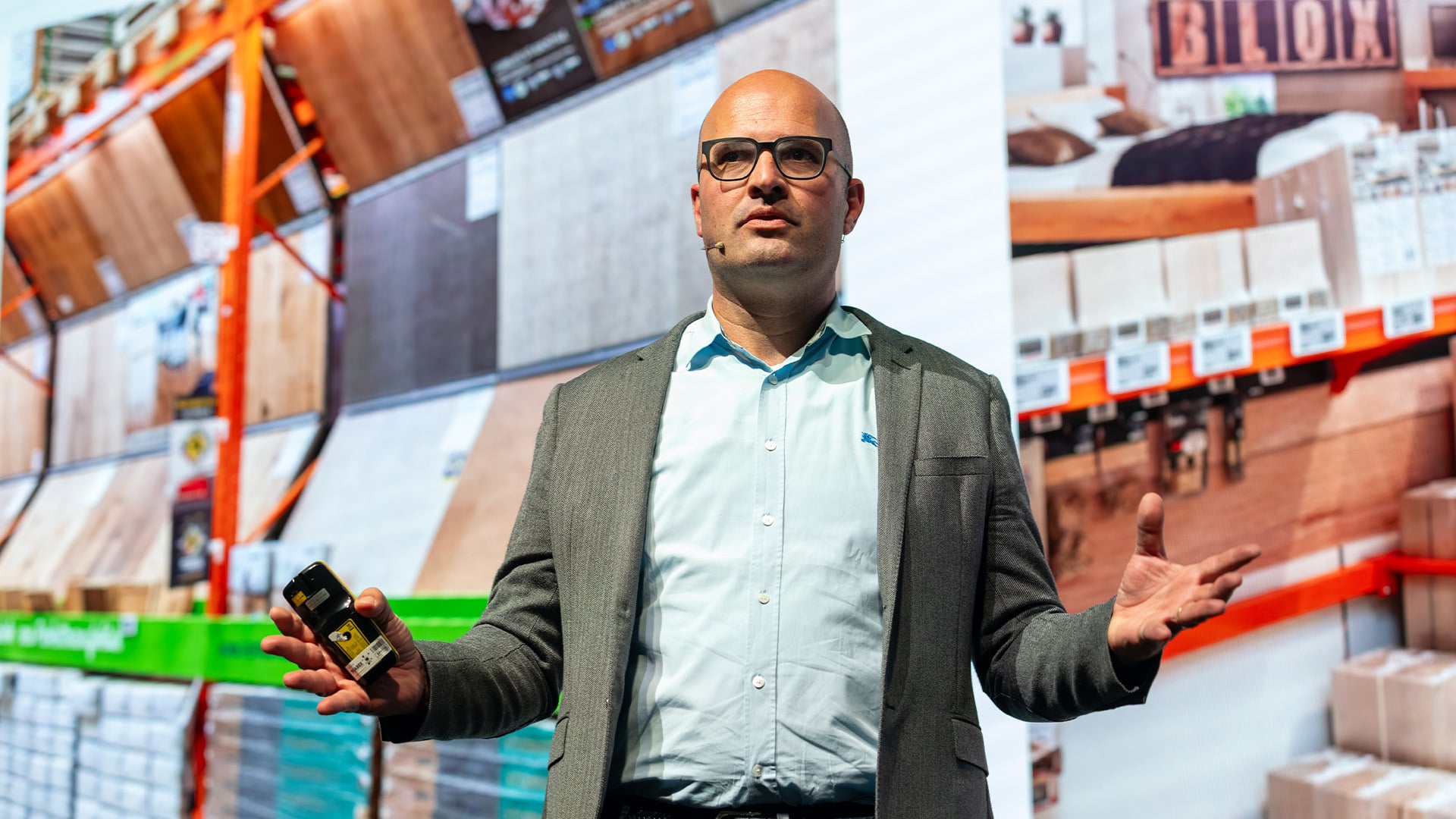
Its in-house content factory produces tens of thousands of assets annually, including text, images, and videos. These resources support product discovery and help customers make more informed purchasing decisions. Bauhaus also uses 3D data to generate imagery for certain applications, alongside 'how-to' guides and weekly live commerce programmes featuring experts who introduce projects and answer questions.
Technology adds another layer of support. Product bundles can recommend relevant accessories alongside a main item, while guided-selling tools lead shoppers through a sequence of decisions. AI is beginning to play a role, too, through platforms including an online chatbot, with more advanced conversational interfaces using agentic power under development.
“I’m interested in how we build a community around agentic AI”
Sports and fashion retailer JD Sports head of supply chain technology Matt Lemon has overseen Manhattan agentic AI pilots in JD warehouses throughout 2026, and is encouraged by how the technology can drive workforce management efficiency. L’Oreal and Ceva Logistics are two other Manhattan customers piloting the latest agentic software in recent months.
However, it is the potential of the collaboration with other retailers that really appeals to Lemon. He said JD is interested in a collaborative customer community or marketplace where retailers can share, adapt or acquire agents developed by other businesses, which is a work-in-progress initiative within the Manhattan ecosystem.
“We’ve been talking regularly,” he noted, adding the agentic pilots have been deployed across similar operations and technical areas within each of the different businesses.
He described as “really good” Manhattan's role in looking into developing a collaborative marketplace where tech and supply chain leaders can access and select developed custom agents, as it will save individual organisations money and foster more collaborative learning across the industry.
“Please, make sure that you never waste a good transformation”
Echoing the famous Winston Churchill quote about what to do in a crisis, Heijsman underlined how thinking about the end-to-end business during a transformation project pays dividends.
“The transformation is no longer a programme – it has become a capability within the organisation, he said of recent tech investments. He detailed that replacing legacy warehouse technology helped it rethink its entire European omnichannel operation, which included re-establishing the roles of staff, changing how colleagues communicated with one another, and building in flexibility supported by a mantra of continuous improvement.
Foot Locker used the necessary tech investment to improve efficiency and processes organisation-wide, and build a foundation for future growth which it is already reporting significant benefits from in terms labour and operational cost savings. Record order lines at peak periods represent another sign the approach was the right one to take.
So, there you have it. Refreshing perspectives from retailers operating at the heart of the supply chain tech space, dealing with a rapid pace of change, accelerating technological capability, and ever-demanding customers.
To sum it up for retailers: don’t wait until it’s too late to upgrade legacy systems, offer additional services to your customers to drive value, collaborate with like-minded industry peers, and continue to question the status quo and tweak your supply chain operations.
Sage advice from the annual Manhattan Exchange industry gathering, which continues to expand and is set to roll up in Amsterdam, the Netherlands in October next year.