
Manhattan Active® Transportation Management vs. Blue Yonder TMS
Which Is Better for Enterprise Transportation Operations?
Why choose Manhattan Associates?
8x
Rated as a Gartner leader for TMS 8 years straight
SINGLE
Platform Architecture — No Fragmented Tech Stack
30
Transportation Management Trusted for Over 30 Years
Quick Look at Manhattan’s TMS vs Blue Yonder
Both vendors check the ‘TMS feature list’ boxes. The real differences show up in how they handle upgrades, extensibility, execution, and AI at enterprise scale.
| Manhattan | Blue Yonder | |
|
Transportation planning |
 |
|
|
Transportation execution |
|
|
|
Logistics visibility |
|
|
|
Versionless, upgrade-free SaaS |
|
|
|
Cloud-native, 100% microservices |
|
|
|
Agentic AI embedded in execution workflows |
|
|
|
Future-ready architecture for AI |
|
|
|
Quarterly updates without upgrade projects |
|
|
|
Single platform for WM/TM/Yard |
|
|
|
Extensions preserved across updates |
|
Enterprise TMS Comparison: Manhattan Active Transportation Management vs Blue Yonder
For enterprise transportation leaders, the right transportation management system is about more than feature coverage. It is about reducing freight spend, improving service performance, responding faster to disruption, lowering IT burden, and building a platform that can support the future of AI-driven execution. Both Manhattan and Blue Yonder offer transportation management capabilities, but they are built and positioned differently. Manhattan Active® Transportation Management stands out for its cloud-native microservices architecture, upgrade-free innovation model, and execution-focused design. For many enterprise buyers, that creates a stronger foundation for long-term agility and performance.
Real-Time Planning and Execution
Transportation plans lose value quickly when conditions change. Orders shift. Capacity tightens. Delivery windows move. Service issues emerge. That is why transportation leaders need a platform that connects optimization to live execution. Manhattan emphasizes continuous optimization and operational responsiveness, helping teams move from plan to action with greater speed and control. Blue Yonder also supports transportation execution, but Manhattan’s transportation positioning is more directly centered on continuous execution in changing operating environments.

End-to-End Visibility Across Transportation Operations
Visibility is only useful when it helps teams make better decisions and act faster. Enterprises need a TMS that shows what is happening, highlights what matters, and supports coordinated action across transportation and adjacent operations. Manhattan’s broader platform strategy centers on unified execution and visibility across supply chain workflows, which strengthens its value for companies that want transportation to work as part of a larger operational system rather than as a disconnected application. Blue Yonder also emphasizes connected supply chain visibility, but Manhattan’s execution-first message may resonate more strongly with buyers focused on operational response.

Scalability Without Operational Disruption
Enterprise transportation platforms must support growth in volume, channels, geographies, and complexity. Scale alone is not enough. The platform must also remain flexible as the business changes. Manhattan’s cloud-native microservices model is designed to support both scale and adaptability, allowing enterprises to grow without taking on the burden of repeated disruption. That gives Manhattan an advantage for organizations that want transportation systems to evolve continuously rather than through periodic major change events.

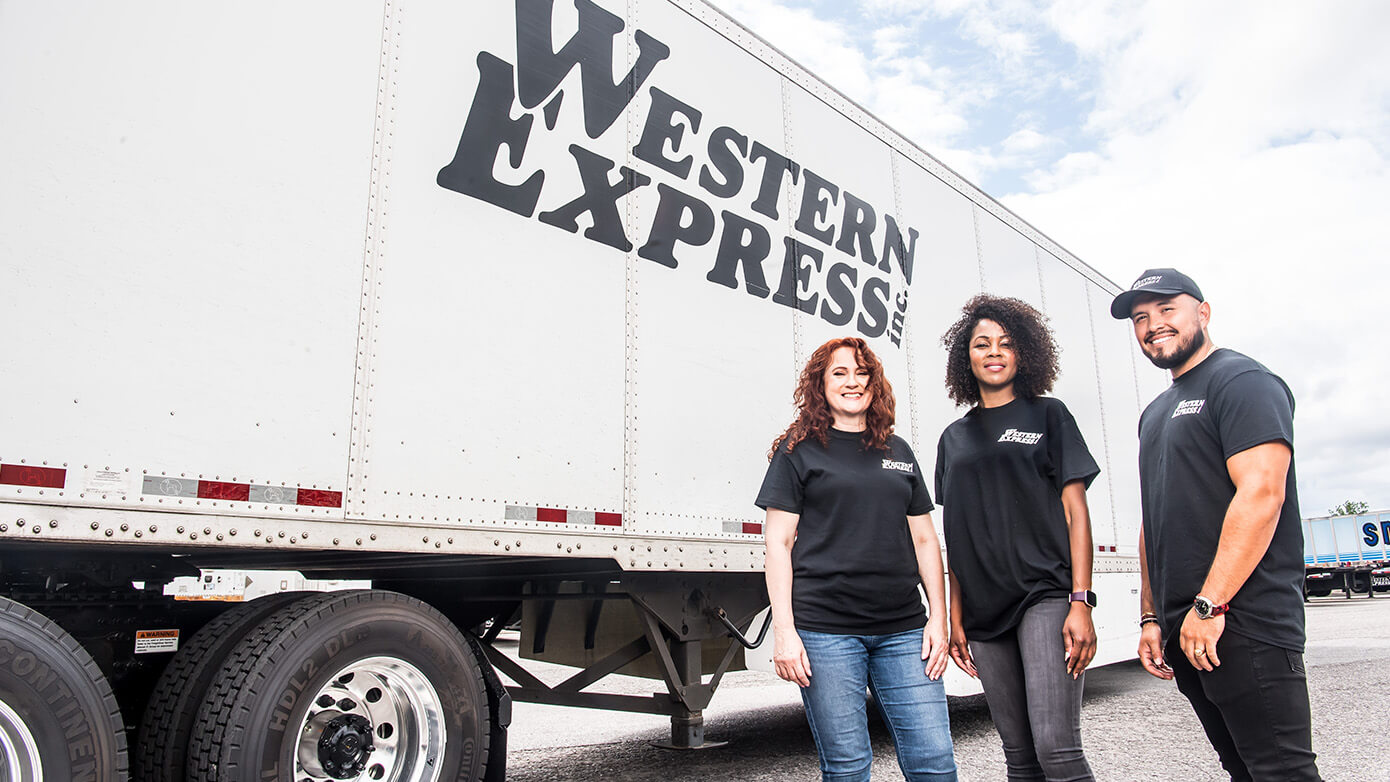
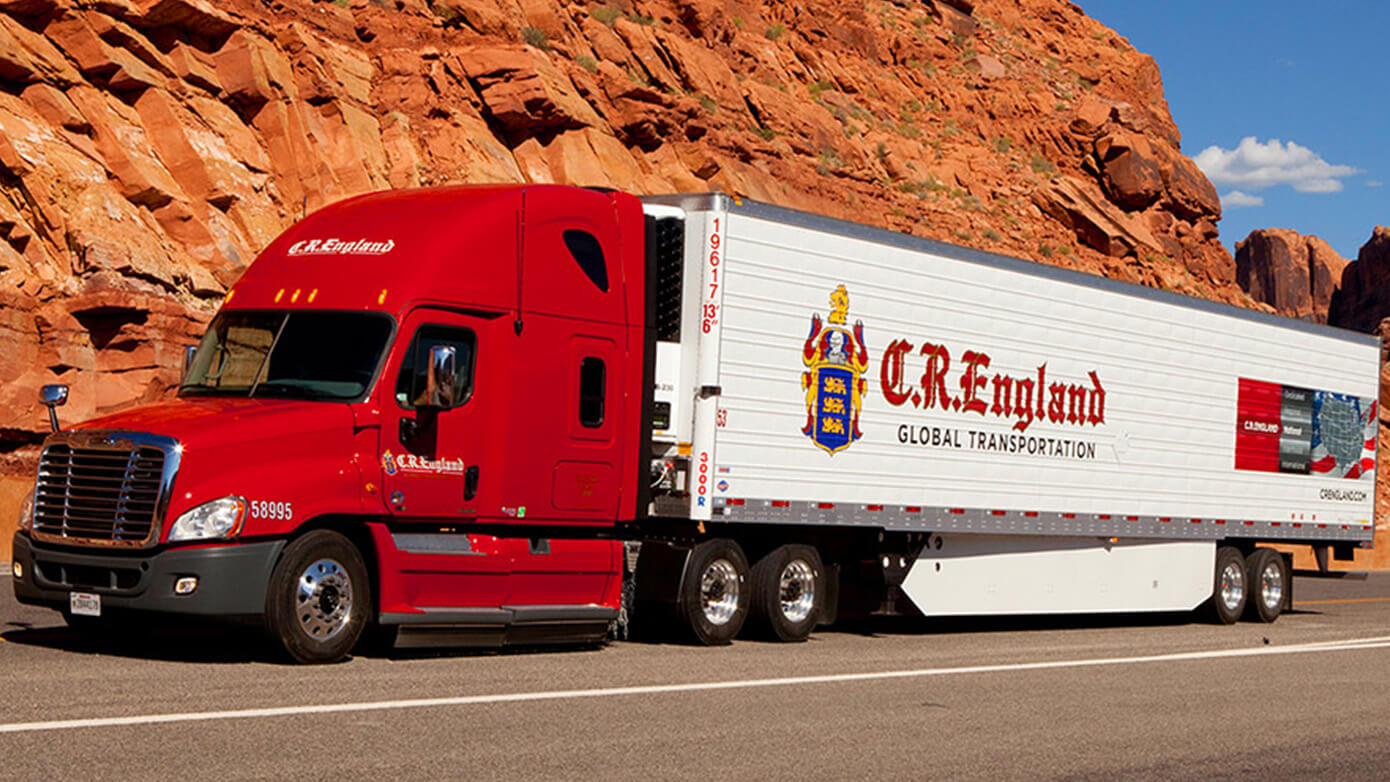
See Who's Already Benefiting From Using Manhattan's TMS










Transportation Management and Load Optimization
Transportation management and load optimization are essential to improving freight efficiency, controlling costs, and increasing service reliability. Enterprises need more than basic shipment planning. They need a system that can intelligently consolidate loads, optimize routes, improve asset utilization, and support more efficient transportation execution across the network. When transportation and load optimization work together, the result is a more responsive and cost-effective operation.
End-to-End Planning and Execution Orchestration
End-to-end planning and execution orchestration helps enterprises connect strategy, planning, and operational action across the transportation lifecycle. Rather than treating planning and execution as separate processes, leading organizations are looking for ways to align them more closely so they can respond faster, coordinate better across teams, and maintain performance as conditions change. This kind of orchestration is increasingly important in transportation environments where decisions must be made quickly and carried through without disruption.
Faster Response to Change
Transportation conditions can shift quickly. Enterprises need a platform that supports continuous adjustment, not one that depends on slow cycles of change. Manhattan’s transportation story is built around that responsiveness.
Stronger Support for Execution-Centric Operations
For enterprises that see transportation as closely connected to warehouse, yard, labor, fulfillment, and customer service outcomes, Manhattan’s broader execution-centered platform strategy is a major advantage. It supports a more unified view of how transportation contributes to performance across the business.
A More Future-Ready Platform for AI and Continuous Innovation
The value of AI in transportation will depend on whether it can become part of live operational work. Manhattan’s architecture and AI strategy align around that goal, giving enterprises a clearer path toward the next generation of transportation execution.
Transportation operations have become harder to manage and more critical to business performance. Service expectations are higher. Fulfillment windows are tighter. Disruptions are more frequent. And the pressure to make faster, better decisions continues to grow. In that environment, a TMS must do more than plan shipments and manage carriers. It must help enterprises adapt continuously, connect planning to execution, and support change without creating unnecessary technology friction.
Architecture plays a direct role in how quickly a transportation platform can adapt to new requirements, integrate new capabilities, and support innovation over time. Manhattan states that Manhattan Active Transportation Management is cloud-native, built entirely from microservices, and never needs upgrading. Blue Yonder positions its TMS as SaaS-native on Azure and part of a broader supply chain platform. Both vendors have cloud stories, but Manhattan presents a more distinct transportation-specific message around microservices, extensibility, and continuous updates. For enterprise buyers focused on long-term flexibility, that difference matters.
A modern TMS should help enterprises manage transportation as a dynamic, execution-critical operation. It should connect planning and execution in real time, provide meaningful visibility across workflows, scale with the business, and support new technologies without slowing the organization down. Manhattan Active TM is well aligned to those needs, particularly for companies that want transportation technology to keep pace with operational change.
Transportation operations affect far more than freight movement alone. They influence service levels, labor productivity, customer satisfaction, and overall supply chain performance. When enterprises improve transportation efficiency, they can reduce avoidable costs while creating a more agile and resilient operation. The strongest platforms support that outcome by helping teams automate routine work, improve decision-making, and align execution more closely to business priorities.
A modern TMS should help organizations:
- align planning and execution across the transportation process,
- support real-time responsiveness as conditions change,
- improve coordination across teams and workflows,
- optimize resource use across the network,
- reduce operational risk through better visibility and control,
- improve agility and consistency from initial planning through final delivery.
As supply chains grow more interconnected, transportation decisions affect the broader business more directly. Enterprises need better coordination across logistics processes, stronger visibility into shipment activity, and greater confidence that freight operations can support both efficiency and customer expectations. The right platform helps create that balance by improving control, responsiveness, and end-to-end execution.
What Enterprises Should Expect
modern TMS should help organizations:
- coordinate freight operations more effectively across the network,
- improve delivery performance and transportation visibility,
- support cost-efficient transportation decisions,
- streamline logistics processes across planning and execution,
- manage transportation complexity across multiple modes and stakeholders,
- strengthen overall supply chain performance through better freight control.
Transportation leaders do not replace enterprise platforms lightly. They make that decision when the business needs more agility, more responsiveness, and less technology friction. Manhattan Active TM is built for those priorities. It helps enterprises strengthen transportation execution today while building a better foundation for future innovation.
When enterprises compare Manhattan Active TM and Blue Yonder TMS, the most important differences go beyond basic functionality. They appear in the architecture, the innovation model, the degree of execution focus, and the readiness of the platform to support AI-driven operations. Blue Yonder offers a capable cloud transportation platform. Manhattan offers a more differentiated transportation platform for enterprises that want continuous operational improvement with lower long-term friction.
Architecture
Manhattan positions its transportation platform as cloud-native, built entirely from microservices, and engineered for extension. Blue Yonder emphasizes SaaS delivery on Azure and connected supply chain platform capabilities. For enterprise buyers, Manhattan’s transportation-specific architecture message is clearer and more distinctive.
Innovation Model
Manhattan emphasizes continuous updates without upgrade cycles. Blue Yonder emphasizes cloud transformation and platform value. Both support modernization, but Manhattan’s versionless model offers a more direct answer to the long-term burden of enterprise software maintenance.
Execution Alignment
Both vendors support execution, but Manhattan’s positioning is more explicitly centered on continuous optimization and operational responsiveness. That makes it particularly attractive for enterprises where transportation performance depends on live coordination across complex workflows.
Extensibility
Manhattan states that enterprises can add innovation without affecting future updates. That gives buyers a more durable model for adapting the platform over time. Extensibility becomes especially important when transportation requirements evolve quickly.
AI Readiness
Blue Yonder has a significant AI story. Manhattan’s advantage is that it ties AI more explicitly to operational action within the platform through Manhattan Active Agents and related services. For buyers thinking about how AI will affect transportation execution, that distinction is important.
Business Impact
For many enterprise buyers, Manhattan’s combination of cloud-native microservices, upgrade-free innovation, execution-centered design, and AI-ready architecture creates a stronger platform for long-term transportation transformation. Blue Yonder remains a capable competitor, but Manhattan is better positioned for organizations that want transportation technology to improve continuously along with the business.
The AI landscape will continue to change quickly. New models, new controls, and new use cases will emerge. Enterprises need a TMS that can absorb those changes without forcing another major technology reset. Manhattan’s platform story is especially strong here because it connects continuous innovation, extensibility, and agentic AI within the same environment.
Microservices support cleaner orchestration and more flexible service interaction, both of which are increasingly important for agentic AI. Manhattan’s current platform strategy explicitly links AI agents, orchestration, and microservices-based services. For enterprise transportation teams, that creates a more credible vision for how AI can become part of everyday operations rather than remain a separate layer of analysis.
Manhattan and Manhattan Associates are registered trademarks of Manhattan Associates, Inc. Manhattan Active and other Manhattan product names are trademarks or registered trademarks of Manhattan Associates, Inc. All other product and company names are trademarks or registered trademarks of their respective owners. Use of third-party marks is for identification and comparison purposes only and does not imply endorsement.