40
Storage gain
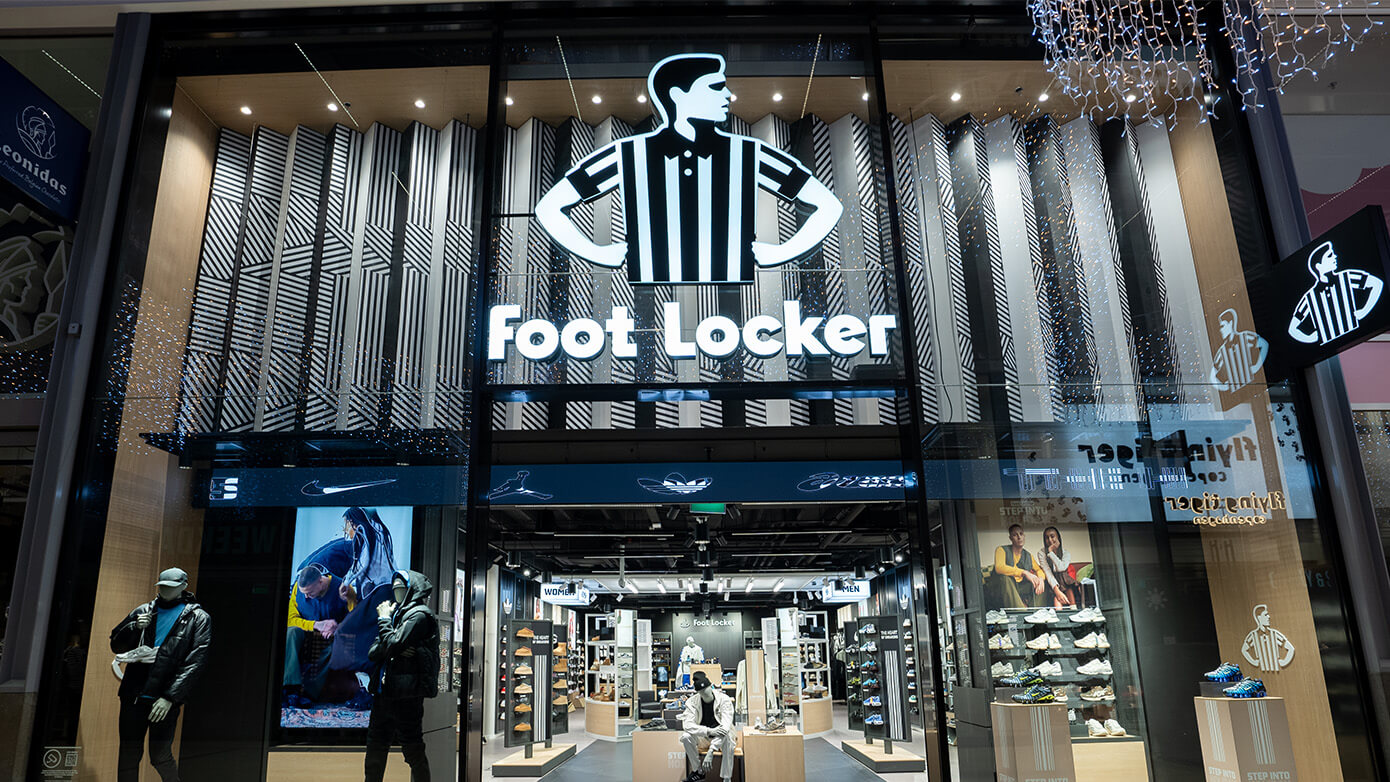
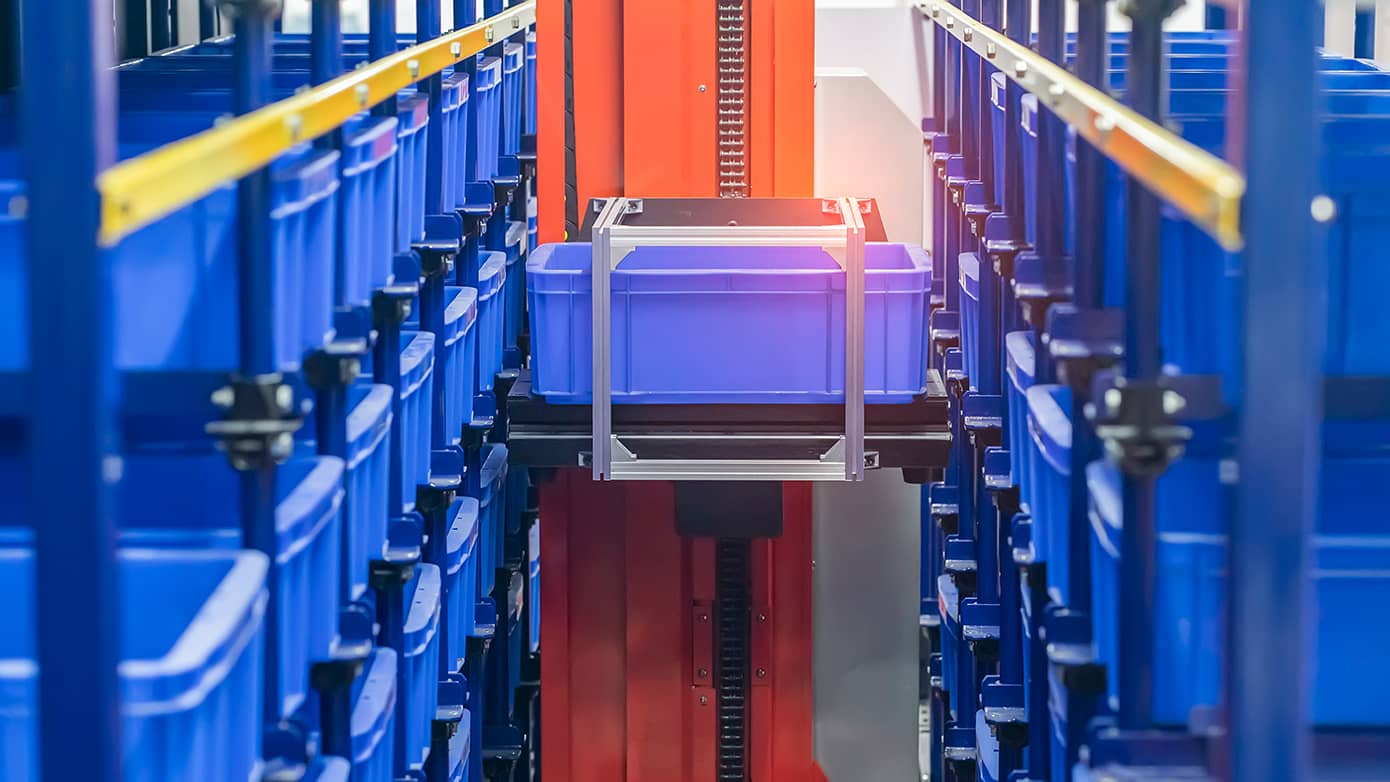
Foot Locker increased storage capacity by 40% at its new European Distribution Center.
ActiveWarehouse
Manhattan’s Warehouse Management is a cloud-native WMS that optimizes, orchestrates, and executes warehouse work as orders, inventory, labor, and automation conditions change. Native AI agents act on live operational context, while a versionless architecture keeps capabilities current without disruptive upgrades.











Outcomes
See what leading operators gain when warehouse execution can adapt at scale.
Storage gain

Inventory cut

On-time order fill rate
Sites deployed
A shortage on one wave, a labor imbalance on one shift, a trailer sitting in the wrong yard slot: any one of them can quietly turn into a missed shipment.
Continuously coordinate work as orders, labor, inventory and automation conditions shift, keeping throughput on pace without waiting for the next wave or manual intervention.
Use your distribution center space, labor, inventory, and automation more effectively, balancing work in real time so the operation can produce more without simply adding more resources.
Execute retail, wholesale, and direct-to-consumer demand in the same operation, adapting priorities and workflows without creating separate fulfillment silos.
Coordinate associates, robotics, and automation through one execution strategy, so work moves across resources without creating disconnected islands of automation.
Explore the architecture, strategies, and customer results behind modern warehouse execution.

Ryan Hanson
Chief Supply Chain Officer | Staples
Features
Manhattan’s Warehouse Management gives directors, supervisors, and associates one application on one data model. Every task, item, and automation instruction lives in the same operational context, so a decision in one part of the facility is immediately visible to the rest.

Optimize inventory, space, work, and resources as live conditions change.
Continuously adjust how work is paced and released as demand, capacity and execution conditions change, instead of locking the floor to a static plan.
Keep inventory positioned for faster execution by integrating slotting and re-slotting decisions directly into putaway and picking workflows.
Prioritize warehouse replenishment as demand and work change so inventory reaches the right forward location before shortages slow execution.
Create and modify pick paths and task assignments in real time. Machine learning helps reduce travel and maximize throughput, while advanced cubing optimizes carton, pallet, and trailer utilization.

Coordinate work, people, and automation across the facility as conditions change.
See inventory, work, and performance across the network. Use a digital representation of warehouse people, equipment, and tasks to identify changing conditions in your WMS and act before throughput slips.
Dynamically release, sequence, and group fulfillment work across direct, retail, and wholesale demand, using Order Streaming and shipment orchestration to keep execution aligned as conditions change.
Orchestrate automation, robotics, and human work through an embedded, vendor-agnostic WES that operates with the WMS’s live inventory and execution context, keeping every resource synchronized without a separate WES layer.
Use a native AI agent to find the root cause of wave shortages and guide corrective action, keeping outbound work on track and protecting cut-offs.

Carry out every physical process from receipt through shipment with precision.
Execute retail, wholesale, and direct-to-consumer demand in the same operation, with retail compliance built in and no manual reconfiguration between channels.
Coordinate appointments and gate and yard activity, receive, sort, and audit inbound inventory, manage ASN workflows, and route goods to putaway, cross-dock or flowthrough based on operating needs.
Continuously monitor picking, packing, and loading, surface shipments at risk of missing SLAs or cutoff times, and guide corrective action through configurable playbooks before outbound delays become service failures.
Execute diverse packing, staging, loading, and shipping workflows in one system, from direct parcel fulfillment to staged pallet and trailer loading, adapting execution to channel, carrier, and order requirements.
Choose from Essentials, Enterprise, or Enterprise Premier edition, each built for where you are today, with room to run ahead when you're ready.

AI agents operate within warehouse workflows using the same operational context as Manhattan’s warehouse management system, helping teams identify issues, guide work, and automate repeatable decisions.
Identifies the root causes of allocation shortages and work-release hold-ups, then guides corrective action to get work to the floor and keep outbound execution moving.
Gives associates step-by-step guidance and answers on their device, helping them work more accurately, ramp faster, and escalate fewer routine questions.
Continuously monitor picking, packing, and loading, surface shipments at risk of missing SLAs or cutoff times, and guide corrective action through configurable playbooks before outbound delays become service failures.
Extends the AI model by allowing customers and partners to build custom agents on the same foundation as Manhattan’s native agents, under a common governance and audit model.

Staples ships 2.5 million units daily across 36 centers. With Manhattan’s Warehouse Management, it deployed 10 sites at five-week intervals without disrupting a single customer order.

Enterprise Impact
Warehouse performance shapes cost, service, and growth far beyond the four walls, creating value across the enterprise.

Reduce the technology burden behind warehouse execution. Run a cloud-native, versionless WMS built to integrate, extend, and evolve without recurring upgrade projects.

Get more return from labor, space, inventory and automation. Improve resource utilization and make better use of existing capacity before adding more.

Protect service as demand and operating conditions change. Scale throughput, standardize execution, and keep fulfillment moving across the distribution network.
Book a demo with one of our Warehouse Management experts to learn more about Manhattan solutions for your business.
Supply Chain
A warehouse management system is software that plans, directs, and tracks everything that happens inside a distribution center, including receiving, putaway, picking, packing, labor, and shipping, in real time.
Manhattan builds warehouse execution directly into the WMS, so automation and robotics are orchestrated through the Manhattan Automation Network as part of the same application.
It sees what's happening on the floor, decides what needs to happen next, and acts through the WMS itself. Manhattan's agents are embedded in the application, so they work with full operational context.
Timelines depend on scope, site count, and automation. Because every site runs on the same cloud-native platform, later sites can follow the rollout pattern the first site establishes.
With Manhattan, yes. Warehouse management, labor management, and slotting optimization run together in one cloud-native application.
On a unified platform, a decision made in the warehouse reaches transportation planning immediately, with no custom integration between separate systems.
Yes. Manhattan has been named a Leader in the Gartner® Magic Quadrant™ for Warehouse Management Systems 18 times in a row, and Manhattan Active WM earned the highest score among 21 vendors for Level 3, 4, and 5 warehouse operations in Gartner's Critical Capabilities report.
Manhattan's Warehouse Management runs distribution operations for companies of all sizes, complexities, and operational footprints, all on the same cloud-native platform. Visit the Editions page to learn more.
A modern WMS manages inventory end to end: real-time tracking down to the SKU, cycle counting, serial number tracking where required, and replenishment that keeps stock levels where they need to be, usually through barcode scanning or RFID, with counts synced back to your ERP.
Manhattan's WMS connects to your ERP and order management system through standard integrations, ships through major parcel carriers including UPS, FedEx, and USPS, and shares data with transportation management, with reporting on warehouse efficiency, inventory levels, order accuracy, and fulfillment in one place.
Options range from basic inventory modules inside an ERP to standalone WMS products and full cloud-native platforms. Unified platforms like Manhattan Active WM combine warehouse, labor, and transportation execution in a single system.